Everest Base Camp & Gokyo Lakes 17 Days
Best: Autumn / Spring
Next departure: Oct 16 - Nov 1, 2026 · 7 spots left
 Chat with us on WhatsApp
+91 932 595 1234
Chat with us on WhatsApp
+91 932 595 1234
Everest Base Camp & Gokyo Trek
INR 105,000
Combine Everest Base Camp with the turquoise Gokyo Lakes on a challenging 17-day trek through the heart of the Khumbu.
Answer a few quick questions → get your custom itinerary + price.
Next departure Oct 16 — 7 spots left
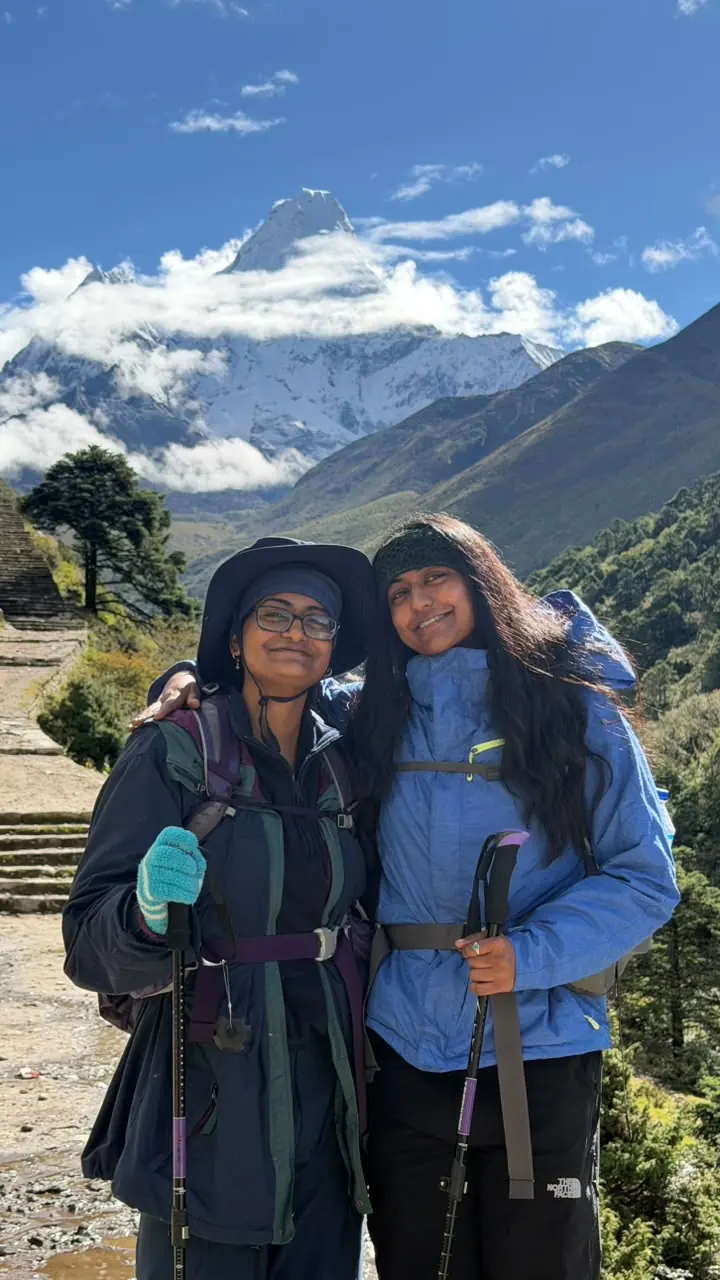
“I had an incredible experience with Himalayan Wonders on my Everest Base Camp trek. From start to finish, everything was handled professionally and with great attention to detail.”
Ashish Thakral
Welcome to Kathmandu, the capital and cultural hub of Nepal! We’ll be waiting with a warm greeting and easy transfer to your hotel. Plan on an evening briefing on last-minute specifics about your trek and an early lights-out: you have a big day ahead.
After a short morning flight to Lukla, you'll be introduced to your guide and porter. Kick off your trek with an easy walk through Chaurikharka village and descent towards Dudhkoshi Ghat (2,530m/8,300ft). The trail follows the bank of the Dudhkoshi River until Phakding (2,652m/8,700ft), where we will be staying for the night to acclimatize. Enjoy your free time in Phakding, a popular stopping point. Lukla Flights are departing and returning to Ramechhap instead of Kathmandu due to ongoing upgrades at Kathmandu Airport. Its about a 4 hour drive to Ramechhap from Kathmandu so we will get started for the airport around 2 am. The return drive at the end of the trek is between 4 and 6 hours depending on traffic.
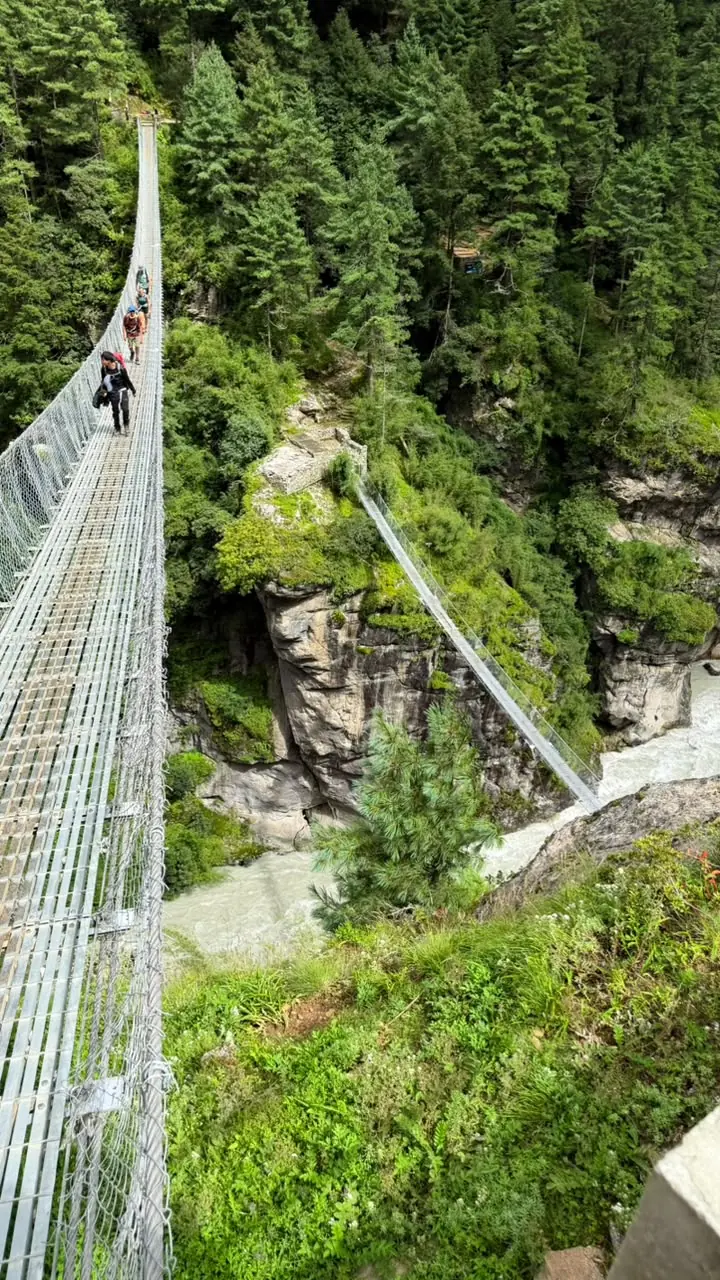
We'll have breakfast in Phakding before gearing up for the trek to Namche Bazaar, the biggest sherpa village in Nepal. Our trail takes us first over the Dudhkoshi River via a long suspension bridge, and then through a beautiful pine forest to Monjo, about two hours away. Soon thereafter, we will approach the entrance to Sagarmatha National Park for a brief permit check and then descend to Dudh Kosi River (spotting Mani stones along the way!) en route to Jorsale. Lunch will be served here, and then it's uphill to Namche. Our path along the riverbank is flanked by two crossings, one of which is the Hillary Suspension Bridge. It's a tough climb up the hill to our resting place, but you’ll be rewarded in Namche Bazaar with your first glimpse of Everest in its majesty.
At this point, we take a well-deserved break! Today will be spent resting and allowing our bodies to become acclimatized to the lofty altitude. There’s an optional 2 hour hike to Everest View Point, an uphill walk that will help speed acclimatization. Otherwise, spend the day exploring Namche Bazaar. Check out the Sherpa museum for an overview of the Sherpa culture and history of mountaineering. On Saturdays, the Hatt Bazaar is open for trading and an intimate look at the locals’ marketplace. It is part of the larger Namche Bazaar, a shopping hub filled with all manner of trekking and mountaineering clothing and equipment.
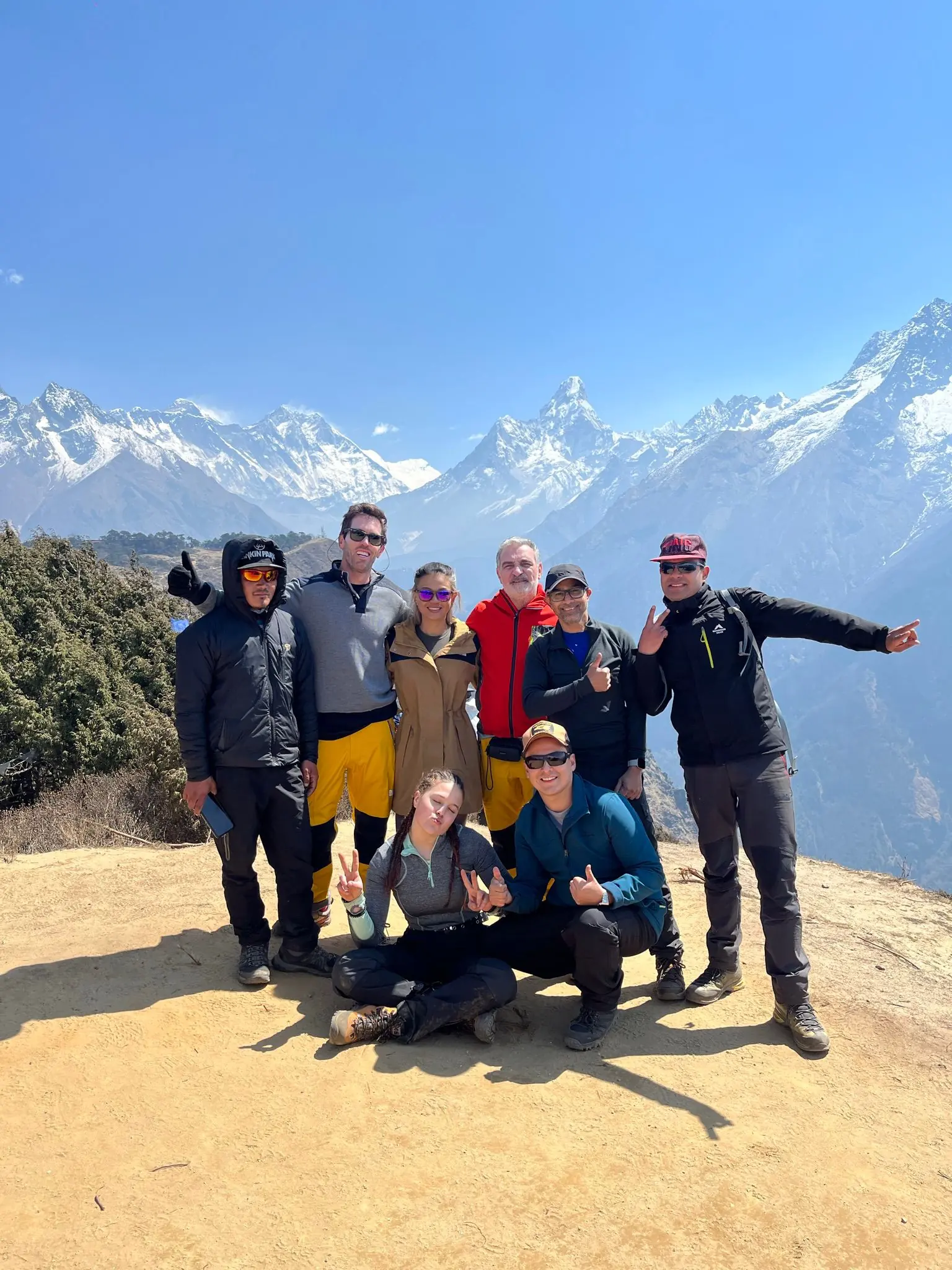
Breakfast in Namche Bazaar fuels us for another day of trekking towards Everest Base Camp today! Breathtaking views of the Himalayas - Everest, Nuptse, Lhotse, Ama Dablam, Thamserku and Kwangde - are some of the highlights not to be missed. Our destination, Phortse, is known as one of the most beautiful places in the Everest region. Its views, which include Ama Dablam, are legendary.
The trail today parallels the canyon of the raging Imja Khol River with its glacial blue waters. It's a gradual climb up to the village of Pangboche, the biggest settlement of Sherpas in the region. Enjoy a great opportunity to observe a typical Sherpa village and have lunch with the locals! The intrepid can brave a brief hike to the Pangboche monastery, one of the oldest in the area. Our afternoon trek will be a difficult one, as the landscape gives way to dry, deserted mountains and we hike towards Dingboche. Depending on trail conditions and tea house availability we may take the route on the other side of the river through Phortse. This trail diverges after Namche on Day 5 and basically parallels the trail to Debouche but on the opposite side of the river. The two trails merge back together in Pangboche.
This is your chance to rest up before the last leg of our adventure! Savor a full day of exploring Dingboche and the surrounding valleys of Chhukung and Imja, the latter of which links with Island Peak, the high passes of Amphu Laptsa, and Makalu Barun National Park. Taking an optional trek to the valleys will pay off in rewarding views, but taking it easy is the most important thing today. You’ll need your rest for the penultimate day of ascent tomorrow.
From here on forth, the trek will move more gradually be more challenging, due to the higher altitude. We’ll pass Dungla, but not before a tough, steep walk to the top of a high hill. Here are the memorial stupas dedicated to the climbers and trekkers who lost their lives to Everest over the years. The next part of our adventure brings over craggy mountain terrain to Lobuche, a small settlement with amazing views of Mt. Lobuche, Mt. Pumari and the Nuptse. Prepare to snuggle up for a cold night, as we are now almost three miles above sea level and the evenings can be downright chilly!
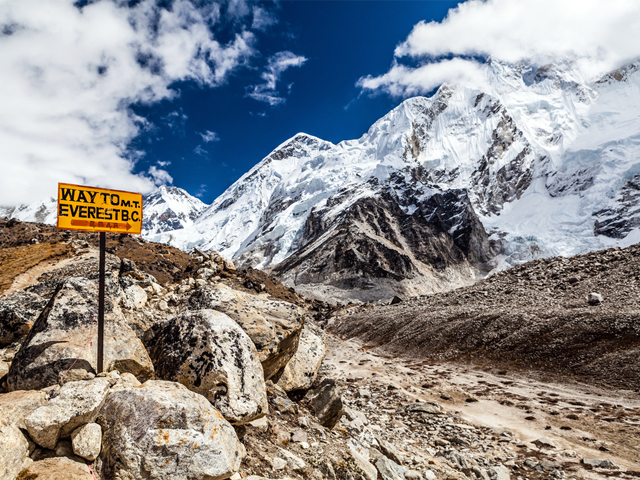
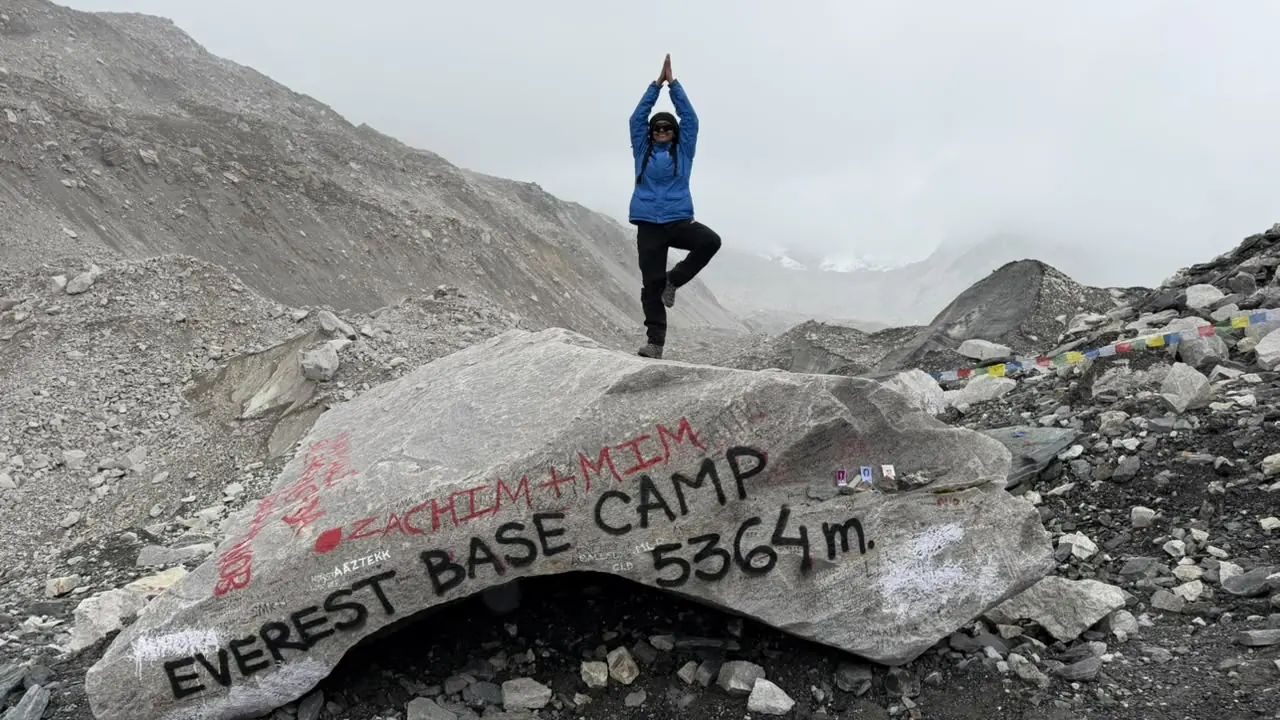
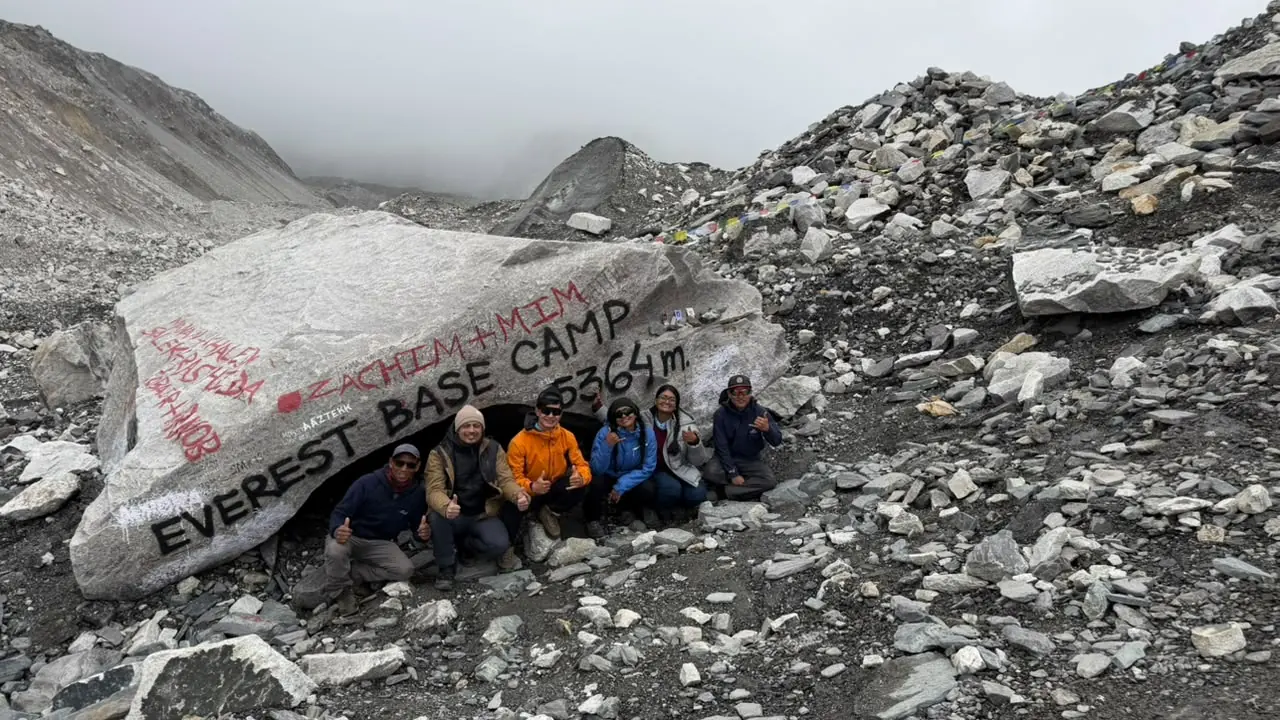
This is it! Our big day kicks off with an initial, relatively easy trek from Lobuche to Gorekshep. The subsequent, straight trail to Everest Base Camp is harder, involving rocky dunes and moraine, formed accumulation of unconsolidated glacial debris. On the way to our destination, we’ll approach the famed Khumbu Glacier and icefall, located on the slopes of Everest. At the Base Camp, our goal, you’ll have the chance (during the spring climbing season) to meet climbers attempting to scale the mountain’s summit. Break out your cameras for unbelievable views of breathtaking beauty. As the afternoon sun starts to wane, we’ll head back to Gorekshep for some much-needed rest and relaxation after a grueling and busy day.
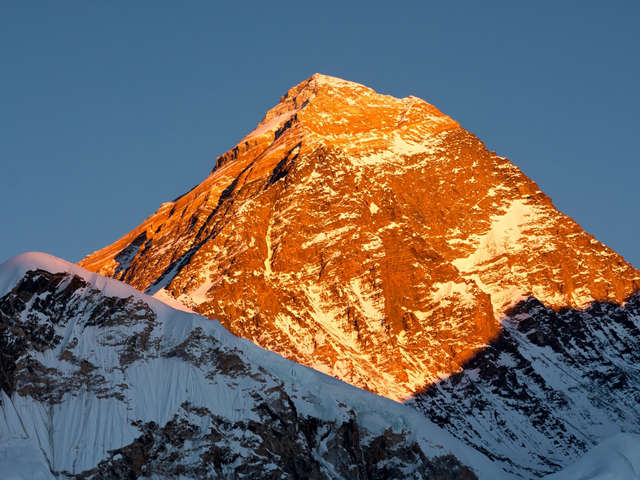
We'll wake before dawn today to trek towards Kalapathar (which means "black rock") for a fiery, glorious sunrise over Mt. Everest. The day's first light will illuminate your spectacular view of Nuptse Nup, Changtse and Lhotse.This may be, of the whole journey, your most opportune moment to snap amazing pictures of Everest and its neighboring peaks. Afterwards, it’s back to Gorekshep for breakfast and onwards to Dzongla.
This could be the most challenging day of the trek as you go over the pass. Fortunately, having already visited Everest Base Camp you should be getting used to trekking at the high altitude and feeling stronger. If the weather is bad crossing the pass can be difficult. Crampons are not normally used but microspikes can be helpful if the weather is at all bad. It’s a tough climb to the top but the amazing views more than make up for it.
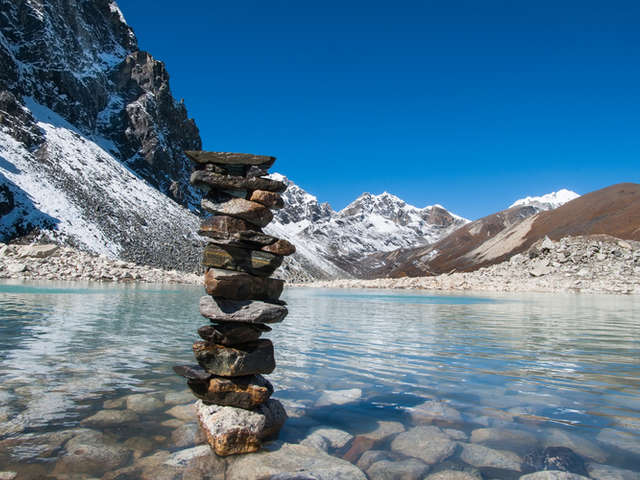
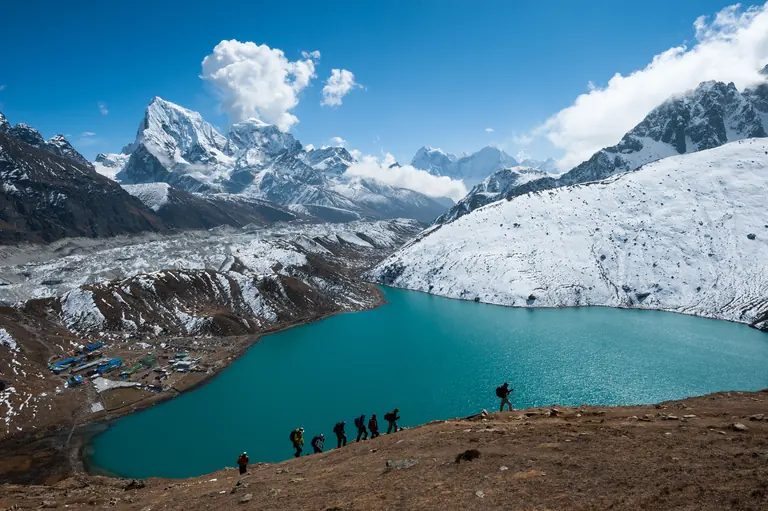
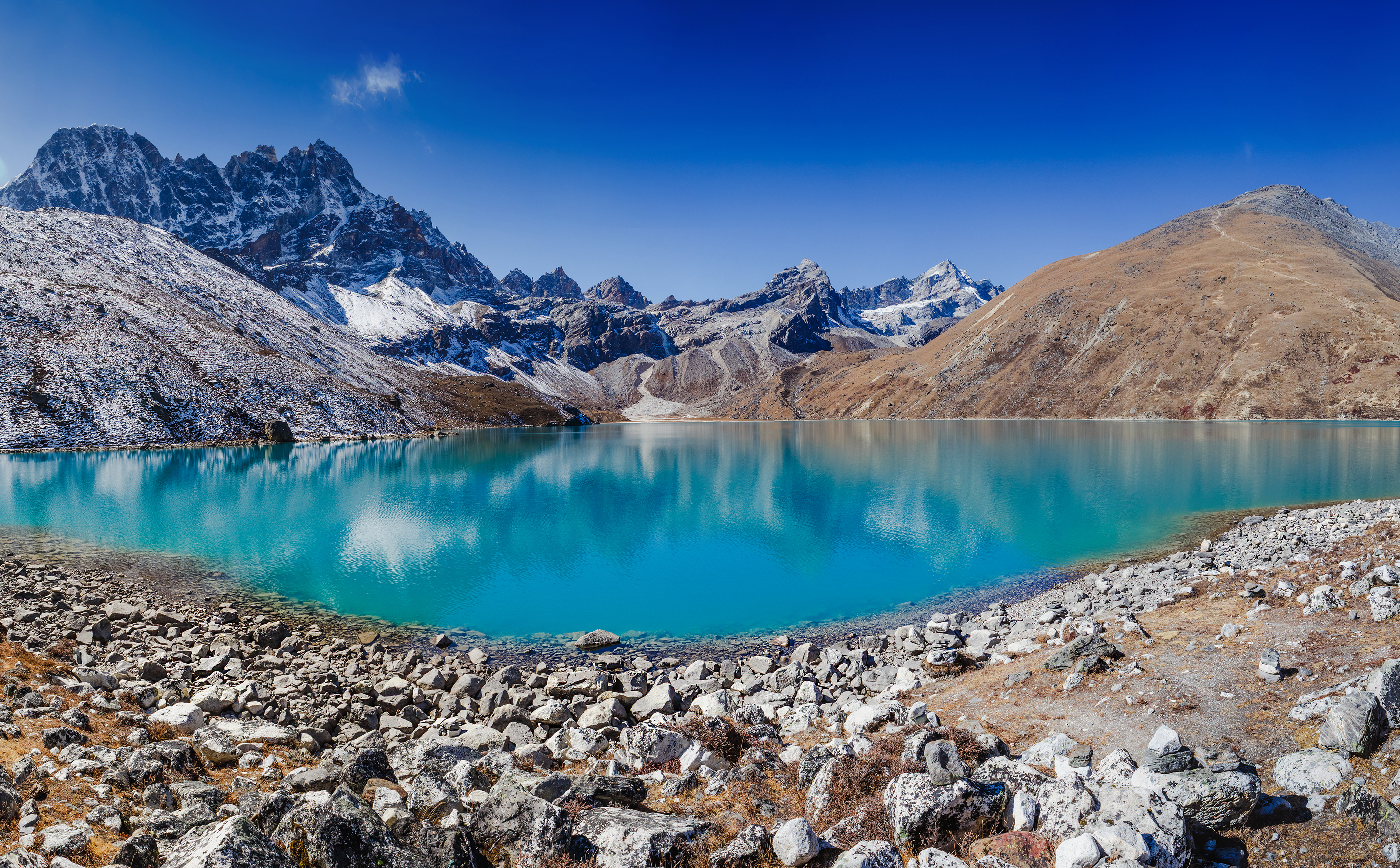
We continue down into the Gokyo Valley and cross the Ngozumpa glacier the longer glacier in this part of the Himalayas and an impressive sight. We should reach Gokyo by lunch. After lunch you should have time to walk up to one of the lakes in the valley and get some great views of the surrounding peaks.
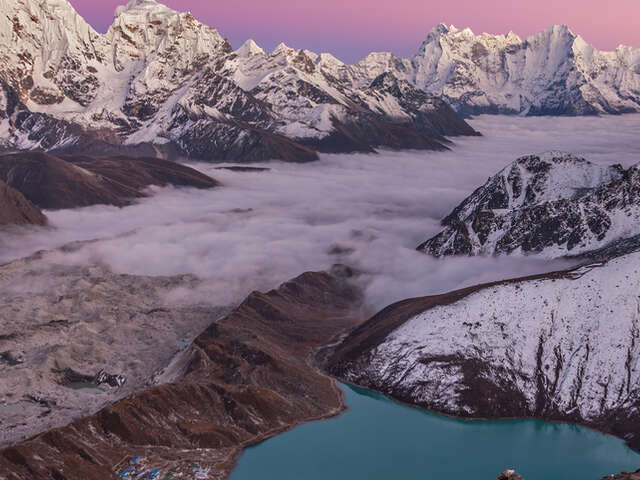
We will take an early morning hike up to the summit of Gokyo Ri at 5,357m. The views here might even be better than those from Kala Patthar. In front of you are 4 of the 14 tallest peaks in the world, namely, Everest, Lhotse, Makalu and Cho Oyu. Although further away the views of Everest are great and you get to look down on one of the largest glaciers in the Himalayas below you. We will head back to the tea house for breakfast and to start our trek down the Gokyo Valley to Machermo where we will spend the night.
Today is a relatively long hike but it’s a good trail and all downhill. The lower elevation makes things easier as well. The trek spends most of the day going down the Gokyo Valley with some good views of the peaks before you intersect back with the main route up to Everest Base Camp and head back to Namche. Will spend the night in Namche Bazaar.
After breakfast, we trek toward the Hillary Suspension Bridge and then pass through several local villages. Our arrival in Lukla brings an evening in our last Tea House and, traditionally, a party with your trekking crew: you made it! Thanks to great teamwork and perseverance, you’ve accomplished a physical feat of which others only dream. This is your last night on the mountain, which can be bittersweet.
In the morning, you'll hop a brief flight from Lukla to Kathmandu (See Note), where your journey both began and ends. You'll transfer to your hotel upon landing for some much-needed solo rest and reflection after your trek conquering the Himalayas. We'll reunite in the evening for a farewell dinner at one of the best Nepalese restaurants in town, where we'll be eager to hear your feedback on the trip. Lukla Flights are departing and returning to Ramechhap instead of Kathmandu due to ongoing upgrades at Kathmandu Airport. Its about a 4 to 6 hour drive from Ramechhap back to Kathmandu depending on traffic.
It's your last day in Nepal! Grab some breakfast, and then take in some last-minute shopping in Kathmandu. We'll make sure you arrive at Kathmandu International Airport with plenty time before your flight home. At this time, we’ll say our goodbyes and bid you farewell, armed with warm memories and gorgeous photos to show your loved ones. END OF OUR SERVICES. All distances and time estimates are approximate.
Decades of experience planning and operating treks across Nepal and the Everest region.
Trek with experienced local guides who know the Everest trail, altitude, weather and mountain conditions.
Speak directly with our team before, during and after your trek — without call-centre handoffs.
Transfers, permits, accommodation, flights and trekking arrangements are coordinated by one team.
Trusted & Officially Registered in Nepal



Nepal Tourism Board (NTB) · TAAN · Nepal Mountaineering Association (NMA) · verify our TAAN membership →
Real people in Kathmandu and India who plan your trip and answer your questions - not a call centre.
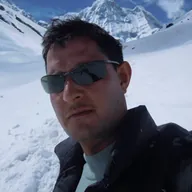
Operations Director
Oversees operations in Nepal with over 15 years of trekking experience in the Himalayas. Works directly with our guides and porters and personally organizes every trek, hand-picking the best guides in the region.

Adventure Expert, India Office
Runs our India office operations out of Nagpur. Has trekked in Nepal himself several times and helps coordinate with guests, bringing excellent knowledge of the different treks on offer.
Traveler experiences with our parent company, Himalayan Wonders · Source: Tripadvisor
★★★★★
“Went for the EBC trek with Himalayan Wonders a few weeks ago, and it was truly a wonderful experience thanks to their team. Our guide, Mr. Garba Rai, was incredibly helpful, fun, and supportive throughout the journey.”
Aparna Nair Read this review on TripAdvisor →
★★★★★
“Our Everest Base Camp guide (Pasang Dawa) made this journey even more unforgettable. He took great care of us throughout the trek, always making sure we were safe, comfortable, and motivated.”
Charan Teja Reddy Chinthakuntla Read this review on TripAdvisor →
★★★★★
“Had a wonderful time with Bhanu Ji. Superb trek lead, fantastic experience, perfect weather prediction, and great knowledge on all peaks. Thanks!”
Vivek Iyer Read this review on TripAdvisor →
★★★★★
“Ram Prasad Bhattarai was our trek leader, and he was exceptional in every way. He provided clear briefings and well-planned day-by-day schedules, which kept everything organized and stress-free, and he always made sure the whole group stayed safe.”
Vajeeram Bhoopalan Read this review on TripAdvisor →
★★★★★
“We went to Everest Base Camp through Himalayan Wonders. One of the greatest experiences of my life was made so much enjoyable by this team! Garba Rai, my guide, was amazing throughout - every day he would take care of my little needs like I was his family…”
Guru Kulkarni Read this review on TripAdvisor →
★★★★★
“I had an incredible experience with Himalayan Wonders on my Everest Base Camp trek. From start to finish, everything was handled professionally and with great attention to detail.”
Ashish Thakral Read this review on TripAdvisor →
★★★★★
“Our recent Annapurna Circuit Trek done with the wonderful support of Himalayan Wonders has been a great experience. They took utmost care of our group of 5 friends from Kathmandu airport up to the completion of the trek.”
Vaijayanti Ingawale Read this review on TripAdvisor →
★★★★★
“Good humble guides, good support, good back up at remote areas, good team and flexible with group travel. Travelled with my son.”
Praveen Kumar Manchi Laxminarayana Read this review on TripAdvisor →
★★★★★
“6 of us went for EBC trek in Oct first week 2024. Lots of uncertainty due to floods and weather conditions - Himalayan Wonders took care of the flights, choppers, anything, in a very short notice.”
Krishna Kumar Lakshmi Prakash Read this review on TripAdvisor →
Still deciding?
Tell us your days, style, and travel month — we'll match the right itinerary and send a tailored plan.
60-SECOND NEPAL QUIZ
Enquiring costs nothing and commits you to nothing. Here's exactly what happens next.
Best: Autumn / Spring
Next departure: Oct 16 - Nov 1, 2026 · 7 spots left
Best: Autumn / Spring
The Everest Base Camp & Gokyo is graded Strenuous - you'll be covering serious distance at increasing elevation day after day - worth training for in the weeks before you fly out.
The full Everest Base Camp & Gokyo itinerary runs 17 Days, which includes built-in acclimatization time rather than rushing straight up - the extra days matter more than they might seem to on paper.
Autumn and Spring are when most people go, and for good reason - skies are clearest, trails are driest, and the mountain views the trek is built around actually show up.
The Everest Base Camp & Gokyo tops out at 5,364m. The itinerary is paced to get you there gradually rather than quickly, which is the difference between a good trip and a miserable one at that height.
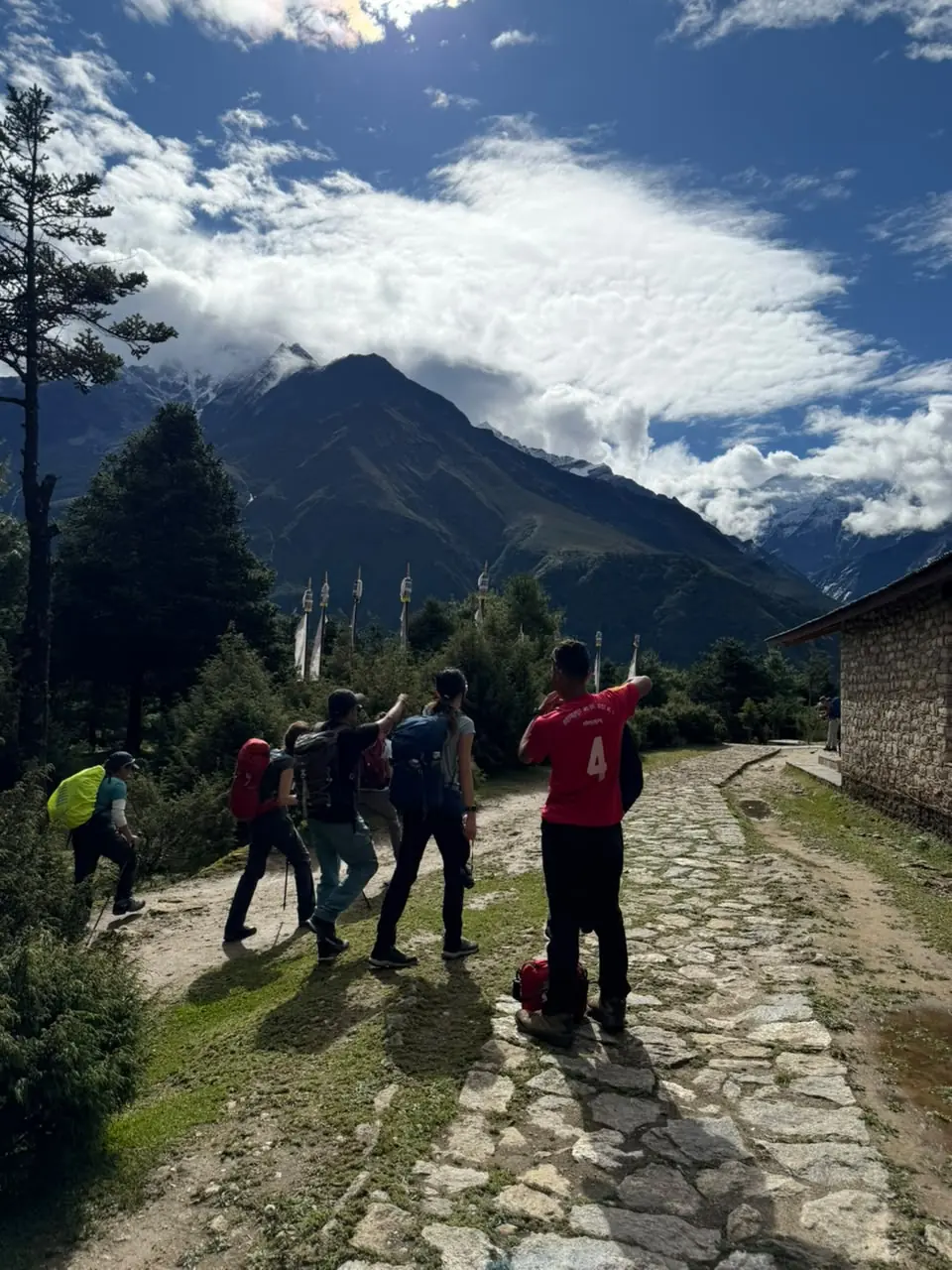
Sherpa culture shapes everything about this trek, from the monasteries along the trail to the families running the tea houses you'll sleep in each night.
Be prepared for changing Himalayan conditions. Here are the essential items we recommend bringing for your trek.
Good ankle support and grip for rocky, uneven trails.
Warmth for cold mornings, evenings and high-altitude nights.
Rated for sub-zero temperatures at teahouse altitudes.
Take pressure off your knees on long descents.
A daypack for essentials you'll want on the trail.
For pre-dawn starts and teahouses without steady power.
Reusable and insulated, so it won't freeze overnight.
UV protection against strong high-altitude glare.
Trek Preparation Guide
An overview of Himalayan climate patterns, monsoon influences and regional weather differences.
Read Guide →What travelers need to know about Lukla flights operating via Ramechhap and how diversions can affect Everest treks.
Read Guide →Tell us a few details and a trek expert will send you a tailored itinerary and price.